How to Create a Healthy Evening Routine for Better Sleep
In today’s always-on culture, the workday does not always end at 5 p.m. Long commutes, hybrid schedules, urgent deadlines, and the pressure of public service can make it difficult to truly disconnect from work. Over time, that mindset can affect sleep, stress levels, productivity, and overall well-being. Developing a healthy evening routine is not simply about relaxation – it is an investment in resilience, mental clarity, and long-term health.

Key Takeaways:
- Create a clear end to the workday by closing work applications, reviewing tomorrow’s priorities, and disconnecting from work-related devices so your mind can shift into recovery mode.
- Improve sleep by maintaining consistent bed and wake times, creating a dark, quiet, comfortable sleep environment, and incorporating relaxing activities such as reading, journaling, meditation, or light exercise.
- Consider the 10-3-2-1-0 sleep rule: avoid caffeine 10 hours before bed, food and alcohol 3 hours before, work 2 hours before, screens 1 hour before, and hitting snooze in the morning.
According to the Centers for Disease Control and Prevention (CDC), adults need at least seven hours of sleep each night for optimal health and performance. Yet, more than one-third of adults in the U.S. don’t get enough sleep. Good sleep hygiene can help.
“Sleep hygiene” refers to healthy habits that can make it easier to relax, fall asleep, and stay asleep. These good habits and resulting sleep can help reduce stress, improve mood and attention, and strengthen memory.
Consider implementing some (or all) of these tips for small changes to your evening routine that can make a big impact on your sleep.
Create a Clear End to the Workday
While occasional after-hours work may be unavoidable, constantly remaining connected prevents the brain from fully shifting into recovery mode. It can be tempting to continue checking emails or Teams messages late into the evening to get ahead of the next day’s to do list, but what you are really doing is depriving yourself of the energy you need to build today to take on the day tomorrow.
Consider establishing a “shutdown ritual” at the end of the workday. This may include reviewing tomorrow’s priorities and closing work applications. Government employees have an advantage that many have government-issued devices that are separate from personal devices, making it easier to power down screens. Small actions like these signal to your brain that the workday has ended and the body can relax.
Once you’ve established you’re off the clock, consider instituting some new habits into your personal evening time to help make sleep easier to come by (and stay in).
Related Resource: Defining Your Work/Life Balance >
How Evening Exercise Can Improve Sleep
Incorporating light exercise into the evening such as walking the dog, stretching, yoga, or a short workout can reduce stress hormones and improve sleep quality. Given that many of us spend a good portion of the daytime sitting at work, evening is the only time to work movement into our day.
There is a careful balance to explore here. Vigorous exercise should end several hours before bedtime to give your body time to reset and recover. Some people find that even light exercise within two hours of sleep can interfere with falling asleep. Experiment to find the right intensity and timing for your evening movement.
Create a Sleep Routine and Sanctuary
The CDC and other health organizations consistently recommend maintaining a regular sleep schedule, even on weekends. This means going to bed and waking up at roughly the same time every day. This consistency regulates your body’s internal clock, your circadian rhythm, which controls sleep, energy levels, hormone production, digestion, and even mood. When your sleep schedule is consistent, your body learns when to feel alert and when to feel tired, making it easier to fall asleep naturally and wake up feeling rested.
To help train those circadian rhythms put some thought and effort into where you sleep.
- Reduce or mask noise with heavy curtains and rugs that absorb sound. A sleep machine that provides white noise or a recording of soothing sounds such as falling rain can also mask outside noise.
- Minimize light with light-blocking curtains or shades.
- Replace your mattress and pillows if they’re worn or uncomfortable.
- Recommended room temperature for sleep is around 65°F to 68° F.
- Keep electronic devices and anything work-related in another room.
Tie pleasurable activities to going to bed such as reading a book, journaling, meditating, or listening to calming music. Also consider the impact preparing for the next morning may have on your anxiety. If it helps relax you to lay out clothes, pack lunches, or organize bags make that part of your pre-sleep routine.
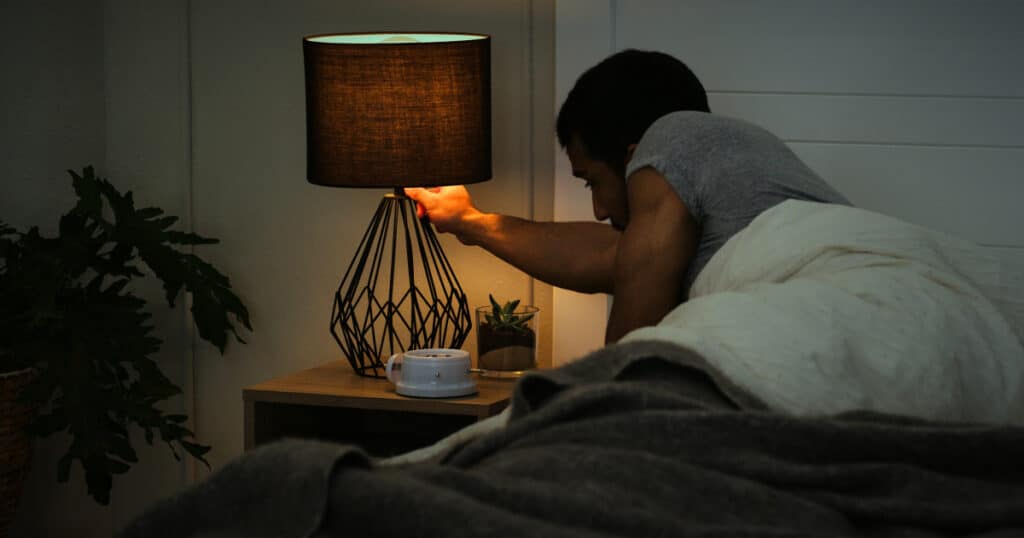
Formula for Sleep: Using the 10-3-2-1-0 Rule
The 10-3-2-1-0 sleep rule is a widely accepted guideline to help improve sleep quality. To follow this formula consider the following:
- No caffeine 10 hours before bed – Caffeine can remain in your system for between two and twelve hours, which can block sleep-promoting receptors and reduce sleep quality.
- No food or alcohol 3 hours before bed – If your body is still actively digesting food it cannot prepare for rest. Additionally, digestion slows down when you lie down and doing so can increase the risk of acid reflux or heartburn. Even if alcohol initially makes you feel sleepy, it often disrupts deeper stages of sleep later in the night.
- Stop working 2 hours before bed – As detailed above, creating a break between work and sleep allows your mind to relax and be more receptive to sleep cues.
- No screens 1 hour before bed – Scrolling through social media, catching up on news, or watching television may seem like a good way to unwind, but excessive screen exposure in the evening can interfere with the body’s natural sleep cycle. The blue light emitted from phones, tablets, and computers can suppress melatonin production, making it harder to fall asleep.
- Hit snooze 0 times – Hitting the snooze button repeatedly can disrupt your sleep-wake cycle making it harder to establish a consistent wake-up time. Consider placing your alarm out of reach to force yourself out of bed.
With these practices in place, it’s time to look at their impact.
Related Resource: 3 Keys to Improving Sleep Quality >
Tracking and Understanding Your Sleep Habits
If you are having trouble falling asleep, staying asleep, waking up, or just simply feel tired even after a full night of rest, keeping a diary of your sleep habits can help you figure out where you need to make changes.
Collect the following data to help understand how changes in routine affect sleep:
- Time you go to bed.
- When and how often you wake up during the night.
- When you wake up in the morning and how you felt
Related Resource: 7 Simple Morning Habits to Start Your Day Right >
You should also detail times and amounts of the following:
- Naps
- Exercise
- Alcohol or caffeinated drinks
- Last meal/snack
- Medications
- Activity before bed (reading, bath, scrolling)
Looking at this data, you’ll be able to see patterns and can zero in on what improves sleep for you.
Final Thoughts: Small Habits, Big Sleep
Developing better habits does not require a dramatic lifestyle overhaul. Small, sustainable changes are often the most effective. Start with one or two manageable adjustments, such as setting a consistent bedtime, taking a short evening walk, or avoiding screens before bed. Over time, these habits can compound into meaningful improvements in mood, concentration, productivity, and overall health.
At the end of the day (literally), a healthy evening routine is about giving yourself permission to recover. When you spend your days supporting citizens, protecting systems, managing programs, and serving critical missions you deserve that! Building intentional habits in the evening helps ensure you can continue doing that work effectively while also protecting your health and well-being.
Explore WAEPA’s collection of wellness resources, designed to help Federal employees live fulfilling lives, personally and professionally.
Wellness Resources
Tips and resources to support your overall well-being, including physical, mental, and emotional health.
Resource Library